Revolutionizing Tracking Technologies with AI-Powered Drones
- Scott Carrier
- Apr 15
- 4 min read

In recent years, the integration of artificial intelligence (AI) with drone technology has transformed the landscape of tracking systems. This innovation is not just a trend; it is a significant leap forward in how we monitor, analyze, and respond to various situations. From agriculture to disaster management, AI-powered drones are reshaping industries and enhancing operational efficiency.
Understanding AI-Powered Drones
AI-powered drones are unmanned aerial vehicles equipped with advanced algorithms that enable them to process data in real-time. Unlike traditional drones, which rely on pre-programmed instructions, these intelligent systems can adapt to changing environments and make decisions autonomously. This capability is crucial for applications that require immediate responses, such as search and rescue operations or wildlife monitoring.
Key Features of AI-Powered Drones
Real-Time Data Processing: AI algorithms allow drones to analyze data as it is collected, providing immediate insights.
Autonomous Navigation: These drones can navigate complex environments without human intervention, reducing the risk of errors.
Enhanced Image Recognition: With advanced computer vision, AI drones can identify objects, people, and even specific patterns in their surroundings.
Applications of AI-Powered Drones
The versatility of AI-powered drones makes them suitable for a wide range of applications. Here are some notable examples:
Agriculture
In agriculture, AI drones are revolutionizing how farmers monitor crops. Equipped with multispectral cameras, these drones can assess plant health by analyzing light reflectance. This data helps farmers make informed decisions about irrigation, fertilization, and pest control.
Precision Agriculture: Drones can identify areas of a field that require attention, allowing for targeted interventions that save resources and increase yields.
Crop Monitoring: Regular aerial surveys provide farmers with up-to-date information on crop conditions, enabling timely actions.
Disaster Management
During natural disasters, AI-powered drones play a critical role in assessing damage and coordinating rescue efforts. Their ability to cover large areas quickly makes them invaluable in emergency situations.
Search and Rescue Operations: Drones can locate missing persons in challenging terrains, providing real-time data to rescue teams.
Damage Assessment: After a disaster, drones can survey affected areas, helping authorities prioritize response efforts.
Wildlife Conservation
AI drones are also making significant contributions to wildlife conservation. By monitoring animal populations and habitats, these drones help researchers gather essential data without disturbing ecosystems.
Anti-Poaching Efforts: Drones equipped with thermal imaging can detect poachers in real-time, allowing for immediate intervention.
Habitat Monitoring: Continuous monitoring of wildlife habitats helps conservationists understand environmental changes and their impacts.
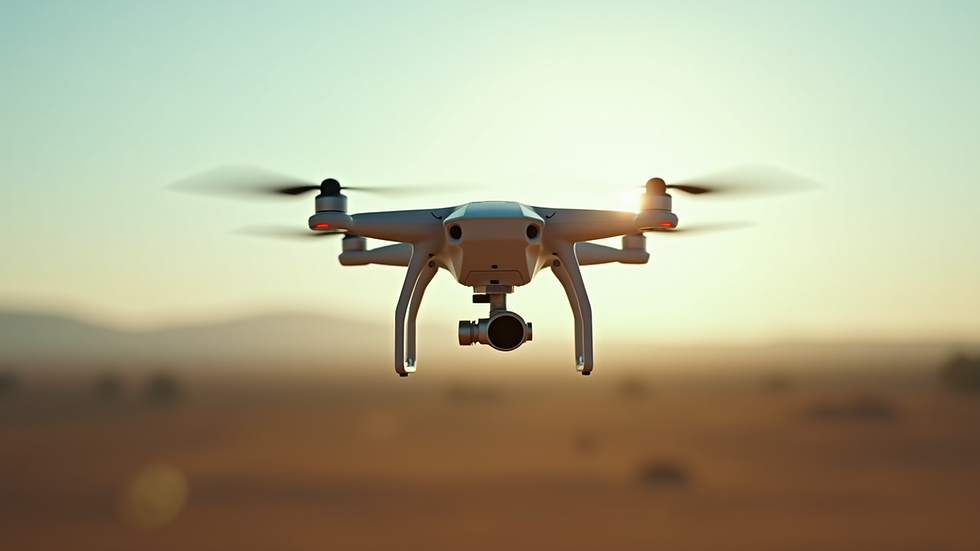
The Technology Behind AI-Powered Drones
Understanding the technology that powers these drones is essential to appreciate their capabilities fully. Several key components work together to create an effective AI-powered drone system.
Sensors and Cameras
Drones are equipped with various sensors and cameras that collect data. These may include:
Multispectral Cameras: Used in agriculture to assess plant health.
Thermal Cameras: Essential for search and rescue operations and wildlife monitoring.
LiDAR Sensors: Useful for mapping and surveying landscapes.
AI Algorithms
The heart of AI-powered drones lies in their algorithms. These algorithms process the data collected by sensors, enabling the drone to make decisions based on real-time information. Some common AI techniques used include:
Machine Learning: Helps drones learn from data patterns and improve their performance over time.
Computer Vision: Allows drones to interpret visual data and recognize objects or features in their environment.
Communication Systems
Effective communication systems are crucial for the operation of AI-powered drones. These systems ensure that data is transmitted in real-time to operators or cloud-based platforms for further analysis.
Challenges and Considerations
While AI-powered drones offer numerous benefits, they also come with challenges that need to be addressed.
Regulatory Issues
The use of drones is subject to various regulations that can vary by country. Navigating these regulations can be complex, especially for commercial applications. Operators must ensure compliance with local laws to avoid legal issues.
Privacy Concerns
The ability of drones to capture high-resolution images raises privacy concerns. It is essential to establish guidelines that protect individuals' privacy while allowing for the beneficial use of drone technology.
Technical Limitations
Despite their advanced capabilities, AI-powered drones are not infallible. Technical limitations, such as battery life and payload capacity, can affect their performance. Continuous advancements in technology are necessary to overcome these challenges.
The Future of AI-Powered Drones
The future of AI-powered drones looks promising, with ongoing advancements in technology and increasing adoption across various sectors. Here are some trends to watch for:
Integration with Other Technologies
As AI drones become more sophisticated, their integration with other technologies, such as the Internet of Things (IoT) and big data analytics, will enhance their capabilities. This integration will enable more comprehensive data collection and analysis, leading to better decision-making.
Increased Autonomy
Future drones are expected to become even more autonomous, reducing the need for human intervention. This development will be particularly beneficial in hazardous environments where human safety is a concern.
Expansion into New Industries
As the technology matures, we can expect AI-powered drones to expand into new industries, including construction, logistics, and environmental monitoring. Their ability to provide real-time data and insights will be invaluable in these sectors.
Conclusion
AI-powered drones are revolutionizing tracking technologies across various industries. Their ability to process data in real-time, navigate autonomously, and recognize objects makes them invaluable tools for agriculture, disaster management, and wildlife conservation. While challenges remain, the future of AI drones is bright, with ongoing advancements promising to enhance their capabilities further.
As we continue to explore the potential of these technologies, it is essential to address regulatory and ethical considerations to ensure their responsible use. The next step for businesses and organizations is to consider how they can leverage AI-powered drones to improve their operations and outcomes.


Comments